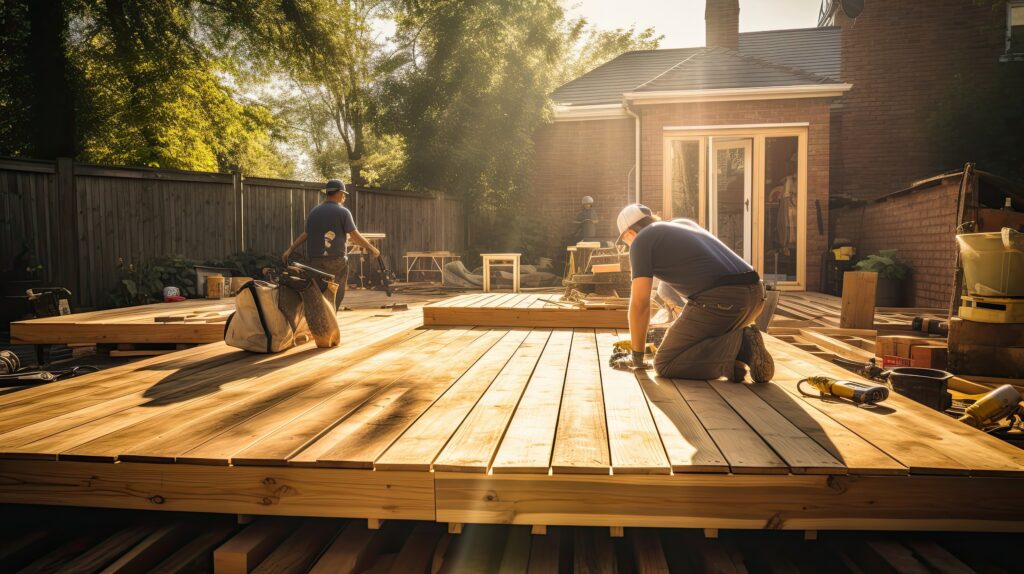
Unlock your backyard’s potential for cozy autumn nights of crackling fires and fond memories with family and friends! A quality deck from a trusted deck company can add the finishing touch to your home’s aesthetic and provide the ideal space for entertaining.
Surface Bella connects you with the best Greenville deck builders and patio contractors. Just answer a few questions and get matched with the right contractor for your project.
Low Maintenance
If you have a deck or patio that’s seen better days, you can turn to Greenville’s best local patio builders and deck contractors to revamp the space and bring your dream backyard retreat to life. A skilled patio and deck builder can survey your lot and home to create a functional design that will enhance the appearance of your property while being structurally sound. They can recommend sizes, heights and construction materials that will suit your lifestyle and the climate where you live in Greenville. They can also advise you on stain or finish options and explain how to care for your new outdoor deck or patio.
The type of deck material you choose will depend on regional factors as well as personal preference. Wood and composite decks are popular choices for homeowners, but you can also consider alternatives such as pavers, concrete or tile. Some decking contractors also specialize in specific projects, such as building porches, easy breeze rooms and roof structures. They can help you make the best choice based on your preferences and budget, and they’ll be able to provide advice about permits and inspections.
Local deck builders have years of experience in creating high-quality outdoor living spaces for homeowners throughout Travelers Rest, Simpsonville, Taylors, Easley and other parts of Greenville SC. They can install a custom-designed deck that will add value to your home and provide a beautiful setting for family gatherings and entertaining. They can even customize the size and shape of the deck to match your property’s unique landscape and architecture.
A qualified deck builder can also assist you with other outdoor living projects, such as installing an outdoor kitchen, patio cover or fire pit. They can also handle repairs to existing structures and perform routine maintenance, including cleaning, staining and sealing. They can also install pergolas, arbors and other features to complement your new deck.
To unlock your backyard’s potential, look no further than the experienced local professionals at Surface Bella. Our skilled team will work closely with you to ensure your deck or patio is built as you envision it and meets all local building codes and regulations. Our locally owned and operated business strives to provide you with the highest quality service at a fair price.
Durability
A deck that is built well and with durable materials will be able to hold the weight of people, furniture and other items. It will also stand up to the elements, including sun and rain, without losing its charm over time. A good Greenville deck builder will use the highest quality materials available to create a structure that is both functional and attractive. They will also make sure the deck is safe, so you can spend time enjoying it with your friends and family.
Choosing the right deck material for your home can be difficult, and a Greenville deck builder will be able to help you find the perfect choice. They will be able to advise you on the best type of wood for your needs, including pressure treated pine and hardwoods like Ipe. Wood is a durable material that can be stained and painted to match any design you desire. It can also be treated to protect against rot and pests.
A reliable deck builder will be able to give you advice on how to keep your deck in good condition, including regular cleaning, staining and sealing. They will also be able to recommend any other deck and patio accessories, such as outdoor kitchens or screened porches, that you may want to add to your space. They will also be able to advise you on any local building codes and regulations that might apply to your deck project.
Deck and patio construction is a complicated process, but a Greenville deck builder will be there every step of the way to ensure that your new deck is completed on time and to budget. They will survey your property and discuss your options with you to come up with a plan that meets your requirements. They will be able to suggest size, height and construction materials that will suit your home and lifestyle.
A new deck can be a fantastic addition to your home, but you need to make sure it is built correctly to avoid any problems later on. This is why it is important to choose a professional contractor. They will be able to ensure that your deck is structurally sound, and will be able to handle the amount of traffic that it will be subjected to.
Design
A deck can significantly increase the usable space of your home by combining indoor and outdoor living. It also adds value to your property and makes it more attractive to potential buyers. With the right design and materials, you can turn your backyard into a picturesque retreat that you’ll enjoy all year round.
A reputable deck builder in Greenville will take into account local factors when planning and designing your new outdoor living space. They will assess the climate, local regulations and your personal preferences to find a solution that’s perfect for your unique needs. They will also help you choose the best decking material for your project. Wood and composite options are available, and both have their own benefits. Composites are low maintenance and affordable, while wood is a natural choice that’s durable and attractive.
Once you’ve chosen the type of deck that best suits your needs, your professional will survey your property to come up with a detailed plan. They will recommend sizes, heights and construction materials that are safe for your family and the environment. They will also advise you on additional components such as railings and fire pits.
They will be able to tell you which types of wood are best for your project and will help you choose from a variety of finishes. They will also offer advice on how to maintain your deck, including routine cleaning and staining. They can also perform repairs and updates as needed.
When selecting a contractor, look for one who has experience working with your type of deck. They should be able to answer any questions you might have and provide you with an estimate for the cost of your project. They should also be licensed and insured, and have a proven track record of excellent work.
You can find a reputable deck builder in Greenville by searching on Houzz. Just answer a few simple questions, and you’ll be connected with a local Decks, Patio & Outdoor Enclosures professional in no time. You can browse their portfolios, read reviews and request quotes. Then, hire the pro(s) that fit your needs and budget.
Safety
Over time, the sun, rain and wind can cause a deck to lose its original beauty. However, a professional can help you create an outdoor living area that is not only visually appealing but safe and sturdy as well. A Greenville deck builder can work with you to design a customized deck or patio that meets your needs and budget. They can also consult with you on the best materials to use and provide advice based on local factors and climate.
A deck can enhance your home and increase the value of your property. It can be a great place to relax or entertain guests. However, it is important to find a reliable Greenville deck builder to make sure the structure is built properly and safely. A reputable custom deck company can build your dream patio or deck using durable materials that are easy to maintain. They can also add features like fire pits, pergolas and outdoor kitchens to improve the functionality of your backyard.
The time it takes for a professional to build a new deck will depend on the size of the deck and its complexity. A professional will be able to give you an accurate estimate as to how long the project will take so that you can plan accordingly. They will also be familiar with the building codes and other safety measures to ensure that the deck is safe for you and your guests.
Decks are elevated structures, so they need to have handrails to prevent injuries. These railings can be made from wood or metal and are designed to protect people from falling off the deck. They are also required by law in many areas to ensure that your deck is safe for you and your family.
Decks and patios can be constructed with a variety of materials, including traditional wood, composite, and vinyl. A qualified Greenville deck builder will have a wide selection of options and will be able to recommend the right materials for your home. They can even help you decide whether to choose a traditional or low-maintenance deck.